Complete Guide to Smart Logistic Systems and Modern Supply Methods
Introduction: Why Smart Logistics Matters Today Logistics has evolved from simple transportation and warehousing into a complex, technology-driven network of interconnected processes. As global trade expands and customer expectations shift toward faster and more transparent delivery, businesses are turning to smart logistic systems and modern supply methods to manage increasing complexity. Smart logistics refers to the integration of digital technologies, data analytics, automation, and connected systems into supply chain operations. Modern supply methods focus on flexibility, responsiveness, and efficient resource use. Together, they aim to improve visibility, coordination, and decision-making across transportation, warehousing, procurement, and distribution. This guide explains the fundamentals of smart logistic systems, outlines different supply models, and explores how organizations evaluate and use these systems in practical settings.
Benefits and Limitations of Smart Logistic Systems
Key Benefits
Smart logistics offers several operational advantages:
1. Real-Time Visibility
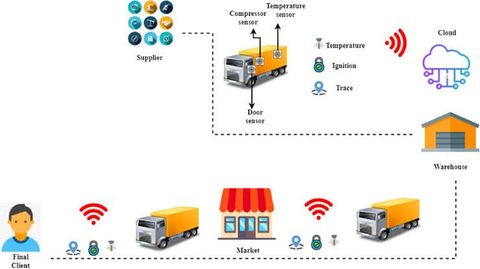
Sensors, tracking tools, and integrated software allow organizations to monitor shipments, inventory levels, and warehouse performance in real time.
2. Improved Decision-Making
Data analytics tools provide insights into demand patterns, route efficiency, and inventory turnover.
3. Operational Efficiency
Automation reduces manual errors in tasks such as order processing, stock counting, and dispatch scheduling.
4. Better Coordination
Integrated platforms connect suppliers, manufacturers, logistics providers, and retailers on a shared system.
5. Scalability
Digital systems can often expand with business growth, supporting new markets or distribution channels.
Common Limitations
While beneficial, smart logistics systems also present challenges:
-
High implementation effort and system integration requirements
-
Dependence on data accuracy and system uptime
-
Need for employee training and change management
-
Cybersecurity and data privacy considerations
Understanding these limitations helps set realistic expectations during adoption.
Types of Smart Logistic Systems
Smart logistics includes several categories of systems, each focused on specific operational areas.
1. Transportation Management Systems (TMS)
TMS platforms manage transportation planning and execution.
Core functions:
-
Route optimization
-
Carrier selection
-
Freight cost tracking
-
Shipment visibility
2. Warehouse Management Systems (WMS)
WMS solutions oversee storage, picking, packing, and inventory management inside warehouses.
Core functions:
-
Real-time inventory tracking
-
Slotting optimization
-
Order fulfillment coordination
3. Inventory and Demand Planning Systems
These systems forecast demand and manage stock levels based on data analysis.
Core functions:
-
Demand forecasting
-
Replenishment planning
-
Safety stock calculation
4. End-to-End Supply Chain Platforms
Integrated platforms combine transportation, warehousing, procurement, and analytics into a unified system.
Core functions:
-
Cross-functional reporting
-
Data sharing across departments
-
Centralized performance dashboards
Modern Supply Methods Explained
Modern supply methods focus on flexibility and responsiveness rather than static linear models.
Just-in-Time (JIT)
JIT aligns production and deliveries closely with demand, minimizing inventory levels. While efficient, it requires accurate forecasting and reliable transportation.
Omnichannel Fulfillment
Products are distributed through multiple channels, such as retail stores, warehouses, and direct-to-customer shipping.
Decentralized Distribution
Instead of relying on one central warehouse, goods are stored closer to end users to reduce transit time.
Data-Driven Supply Planning
Advanced analytics tools analyze sales patterns, seasonality, and external data to optimize supply decisions.
Comparison Table: Traditional vs Smart Logistics
| Feature | Traditional Logistics | Smart Logistics Systems |
|---|---|---|
| Data Access | Delayed reports | Real-time dashboards |
| Route Planning | Manual planning | Automated optimization |
| Inventory Tracking | Periodic stock checks | Continuous tracking |
| Integration | Separate systems | Unified platforms |
| Responsiveness | Slower adjustments | Faster adaptation |
Latest Trends and Innovations
Internet of Things (IoT)
Connected sensors monitor temperature, location, and handling conditions in transit.
Artificial Intelligence (AI)
AI models forecast demand, detect inefficiencies, and suggest optimized delivery routes.
Robotics and Automation
Automated guided vehicles and robotic picking systems improve warehouse productivity.
Blockchain for Traceability
Blockchain is explored for improving transparency in supply chains, especially for regulated goods.
Key Features to Consider in Smart Logistic Systems
When evaluating systems, organizations often review:
-
Integration capability with ERP and accounting tools
-
Real-time tracking and analytics
-
Data security measures
-
Scalability and customization
-
Reporting and dashboard functionality
-
Mobile accessibility
These features influence both usability and operational efficiency.
Checklist for Evaluating Smart Logistic Solutions
-
☐ Define operational objectives clearly
-
☐ Identify pain points in current processes
-
☐ Assess data quality and availability
-
☐ Confirm system compatibility
-
☐ Review cybersecurity features
-
☐ Estimate implementation timeline
-
☐ Plan staff training programs
Commonly Referenced Technology Providers
Several established companies develop logistics and supply chain technologies. These references are informational.
-
SAP – Supply chain management software
-
Oracle – Logistics and ERP systems
-
IBM – Analytics and supply chain visibility tools
-
Blue Yonder – Demand forecasting and planning solutions
-
Manhattan Associates – Warehouse and transportation systems
Readers can explore official product documentation and independent comparison platforms for detailed specifications.
How to Choose the Right System
Step 1: Identify Core Needs
Determine whether the priority is transportation efficiency, warehouse optimization, inventory accuracy, or full supply chain integration.
Step 2: Evaluate Business Scale
Consider shipment volumes, geographic coverage, and number of suppliers or partners.
Step 3: Assess Technical Infrastructure
Ensure compatibility with existing ERP, finance, and procurement systems.
Step 4: Consider Long-Term Adaptability
Supply chains evolve due to market and regulatory changes. Flexible systems reduce the need for major replacements.
Tips for Effective Use and Maintenance
Operational Best Practices
-
Keep master data accurate and updated
-
Monitor KPIs regularly
-
Use analytics reports to refine processes
Maintenance Best Practices
-
Schedule regular software updates
-
Conduct cybersecurity audits
-
Review integration performance
-
Provide continuous staff training
Consistent oversight ensures that the system remains aligned with operational goals.
Frequently Asked Questions
What makes a logistics system “smart”?
It integrates digital technologies, automation, and real-time analytics into logistics processes.
Are smart systems only suitable for large enterprises?
Not necessarily. Many platforms offer scalable modules that can support smaller organizations.
How long does implementation take?
Implementation varies depending on complexity, typically ranging from several months to over a year.
Can smart logistics reduce costs?
Efficiency improvements may reduce operational waste, but outcomes depend on implementation quality and business context.
What are common risks?
Risks include poor data quality, insufficient training, and integration challenges.
Conclusion: Practical Perspective on Smart Logistics and Supply Methods
Smart logistic systems and modern supply methods represent an evolution in how goods are planned, moved, and delivered. By combining digital technologies with adaptable supply models, organizations gain improved visibility and responsiveness. However, successful adoption depends on clear objectives, accurate data, and ongoing management.
Rather than viewing smart logistics as a one-time upgrade, it is more useful to see it as a continuous process of improvement. With thoughtful planning and realistic expectations, these systems can support more informed decision-making and structured supply chain operations in a changing global environment.

Related Post...


Complete Guide to Precision Drill Machines and Their Applications
Updated: October 23, 2026
Read More
Learn How Lifting Equipment Works: Cranes, Hoists, Slings & Jacks
Updated: October 17, 2026
Read More