Guide to Stainless Steel Pipe Uses, Railing Systems, and Cutting Processes
Introduction: Why Stainless Steel Matters Across Industries Stainless steel has become a widely used material across construction, infrastructure, manufacturing, and architectural design. Its strength, corrosion resistance, and adaptability allow it to serve both functional and structural roles. From industrial pipelines to modern railing systems and precision-cut components, stainless steel offers a balance between durability and long-term performance. This guide provides a clear, practical overview of how stainless steel pipes are used, how railing systems are designed, and how cutting processes shape the final product. It is written to help readers understand applications, limitations, selection factors, and current trends without focusing on products or sales.
Benefits and Limitations of Stainless Steel
Key Benefits
Stainless steel offers several advantages that make it suitable for diverse environments:
-
Corrosion resistance in moist, chemical, or outdoor conditions
-
High strength-to-weight ratio, allowing structural efficiency
-
Temperature tolerance across hot and cold applications
-
Low maintenance requirements over long service life
-
Hygienic surface, useful in food, medical, and water systems
These properties contribute to its widespread use in industrial piping, safety railings, and fabricated components.
Common Limitations
Despite its benefits, stainless steel also presents some constraints:
-
Higher initial cost compared to carbon steel
-
Specialized cutting and fabrication needs
-
Potential surface scratching in architectural uses
-
Heat distortion risk during improper cutting or welding
Understanding both strengths and limitations helps ensure appropriate material selection.
Types and Categories of Stainless Steel Pipes
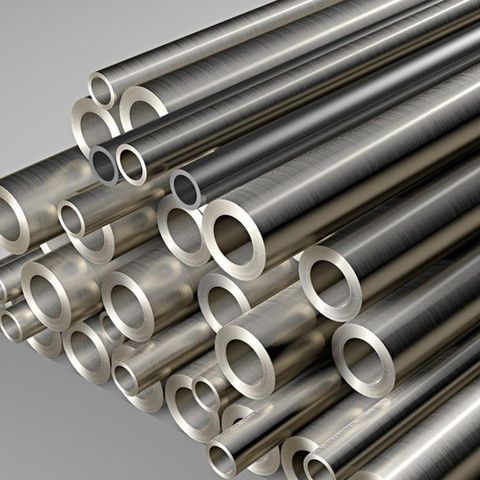
Stainless steel pipes are classified based on composition, manufacturing method, and intended application.
By Material Grade
-
Austenitic stainless steel (e.g., 304, 316)
Widely used due to corrosion resistance and formability -
Ferritic stainless steel
Moderate corrosion resistance and magnetic properties -
Martensitic stainless steel
Higher hardness with reduced corrosion resistance
By Manufacturing Method
| Pipe Type | Characteristics | Common Uses |
|---|---|---|
| Seamless pipe | Uniform strength, no weld seam | High-pressure systems |
| Welded pipe | Cost-efficient, consistent dimensions | Structural and railing uses |
| ERW pipe | Electrical resistance welded | Construction frameworks |
By Application
-
Industrial fluid transport
-
Structural support systems
-
Decorative and architectural elements
Stainless Steel Railing Systems Explained
Railing systems provide safety, support, and visual structure in residential, commercial, and public spaces.
Common Railing Configurations
-
Pipe-based railings for industrial and utility areas
-
Balustrade systems with vertical or horizontal infill
-
Glass-integrated railings using stainless steel frames
-
Handrail-only systems for stairs and walkways
Design Considerations
When planning stainless steel railings, key factors include:
-
Load and safety code requirements
-
Indoor vs outdoor exposure
-
Finish type (brushed, polished, matte)
-
Ease of cleaning and inspection
Stainless steel is often chosen because it maintains structural integrity while supporting modern design aesthetics.
Stainless Steel Cutting Processes Overview
Cutting stainless steel accurately is essential for performance, safety, and finish quality.
Common Cutting Methods
| Method | Best For | Key Considerations |
|---|---|---|
| Mechanical cutting | Pipes and small sections | Tool wear management |
| Laser cutting | Thin sheets, precision parts | Heat-affected zones |
| Plasma cutting | Thick materials | Edge cleanup required |
| Waterjet cutting | Heat-sensitive parts | Higher operational cost |
Each method is selected based on thickness, tolerance, and final application.
Latest Trends and Innovations
Stainless steel processing continues to evolve through automation and precision technologies.
Current Trends
-
CNC-guided cutting systems for repeatable accuracy
-
Advanced surface finishing to reduce fingerprints and wear
-
Modular railing designs for faster installation
-
Low-waste cutting techniques improving material efficiency
These trends focus on improving efficiency, consistency, and sustainability.
Key Features to Consider When Selecting Stainless Steel Components
Before choosing stainless steel pipes, railings, or cutting methods, consider the following features:
Material Selection Checklist
-
Operating environment (indoor, outdoor, corrosive)
-
Pressure and load requirements
-
Regulatory or safety standards
-
Desired surface finish
-
Maintenance expectations
Cutting and Fabrication Factors
-
Required tolerances
-
Heat sensitivity of application
-
Volume and repeatability
-
Edge finish requirements
Proper evaluation reduces rework and extends component life.
Top Companies and Solution Providers
Several globally recognized organizations provide stainless steel materials and processing technologies. These companies are known for industry participation rather than product promotion.
| Category | Examples |
|---|---|
| Stainless steel producers | Outokumpu, Aperam, POSCO |
| Industrial pipe manufacturers | Tenaris, Sandvik Materials |
| Cutting technology providers | TRUMPF, Bystronic |
| Fabrication solutions | SMS Group, Primetals |
Public company websites and technical documentation can be used for reference and comparison.
How to Choose the Right Stainless Steel Option
Choosing the right stainless steel solution involves balancing performance, cost, and long-term reliability.
Selection Steps
-
Identify application requirements
-
Match material grade to environment
-
Select pipe type or railing design
-
Choose appropriate cutting process
-
Verify compliance with standards
This structured approach supports informed decision-making.
Tips for Best Use and Maintenance
Pipes
-
Avoid mixing metals to reduce corrosion risk
-
Inspect joints and welds periodically
-
Maintain proper support spacing
Railings
-
Clean regularly using non-abrasive agents
-
Inspect fasteners and anchors
-
Address surface damage early
Cut Components
-
Deburr edges after cutting
-
Store components away from moisture
-
Follow recommended handling practices
Consistent maintenance preserves both appearance and performance.
Frequently Asked Questions
Are stainless steel pipes suitable for outdoor use?
Yes, especially grades like 304 and 316, which offer strong corrosion resistance in outdoor environments.
Which cutting method provides the cleanest edges?
Laser and waterjet cutting generally offer the highest edge precision, depending on thickness.
Do stainless steel railings require coatings?
Typically no. Stainless steel relies on its natural oxide layer for corrosion resistance.
How long do stainless steel components last?
With proper selection and maintenance, stainless steel components can last several decades.
Conclusion
Stainless steel continues to play a critical role in piping systems, railing structures, and precision-fabricated components. Its versatility allows it to meet structural, safety, and design requirements across industries. Understanding material types, cutting methods, and application-specific needs helps ensure reliable outcomes.
By focusing on correct selection, proper processing, and regular maintenance, stainless steel systems can deliver long-term value without unnecessary complexity. This guide aims to support informed, practical decisions grounded in real-world use rather than product promotion.

Related Post...
Guide to Stainless Steel Pipe Uses, Railing Systems, and Cutting Processes
Updated: November 28, 2026
Read More