Complete Guide to Packaging Machines: Key Techniques, Helpful Tips, and Smart Solutions
Introduction Packaging machines play an important role in modern manufacturing, food processing, pharmaceuticals, cosmetics, e-commerce, and many other industries. As businesses produce larger volumes of products, manual packaging becomes time-consuming, inconsistent, and expensive. Packaging equipment helps improve efficiency, maintain product quality, and reduce human error while supporting safer handling and transportation. Today's packaging systems range from simple tabletop sealers to highly automated production lines that can fill, seal, label, inspect, and prepare products for shipping with minimal human intervention. Whether a business packages food, beverages, chemicals, medical supplies, or consumer goods, selecting the right machine can significantly improve productivity and consistency. This guide explains how packaging machines work, their different types, benefits and limitations, important features, recent innovations, maintenance tips, and practical advice for choosing the right solution.
What Are Packaging Machines?
Packaging machines are industrial or commercial systems designed to prepare products for storage, transportation, and sale. Depending on the application, they may perform one or multiple tasks such as:
- Filling products into containers
- Weighing products
- Wrapping items
- Sealing packages
- Applying labels
- Inspecting package quality
- Boxing products
- Palletizing finished goods
Modern packaging equipment and supply solutions often combine several of these functions into one integrated production line to improve efficiency and reduce manual labor.
Why Packaging Machines Matter
Packaging is more than placing a product inside a box or bag. Proper packaging helps:
- Protect products from damage
- Maintain freshness and quality
- Improve transportation safety
- Support product identification
- Meet regulatory requirements
- Enhance production consistency
- Reduce material waste
Businesses of every size benefit from reliable packaging systems that improve daily operations while maintaining product quality.
Benefits of Packaging Machines
Packaging automation provides numerous operational advantages.
Improved Productivity
Machines package products much faster than manual labor, allowing businesses to meet higher production demands.
Better Consistency
Every package receives the same filling volume, sealing pressure, labeling position, and packaging quality.
Reduced Labor Requirements
Automation allows employees to focus on quality control, maintenance, and supervision rather than repetitive manual tasks.
Lower Material Waste
Accurate filling, cutting, and sealing reduce packaging material waste over time.
Improved Product Protection
Proper sealing and wrapping reduce contamination, leakage, moisture exposure, and physical damage.
Better Workplace Safety
Automated systems reduce repetitive manual handling that may lead to worker fatigue or injuries.
Limitations of Packaging Machines
Despite their advantages, packaging equipment also has certain challenges.
| Limitation | Explanation |
|---|---|
| Higher initial investment | Automated systems require upfront capital. |
| Regular maintenance | Equipment needs scheduled servicing for reliable performance. |
| Operator training | Staff must understand machine operation and safety procedures. |
| Space requirements | Larger production lines require sufficient floor space. |
| Product compatibility | Some machines only work with specific package sizes or materials. |
Understanding these factors helps businesses make realistic investment decisions.
Main Types of Packaging Machines
Different industries require different packaging methods.
Filling Machines
These machines dispense liquids, powders, granules, or pastes into bottles, jars, bags, or containers.
Common industries include:
- Food
- Beverage
- Pharmaceutical
- Chemical
- Cosmetic
Form-Fill-Seal Machines
One of the most widely used systems is the vertical form and fill machine.
This equipment:
- Forms bags from packaging film
- Fills products automatically
- Seals the package
- Cuts individual bags
Vertical form-fill-seal technology is commonly used for:
- Coffee
- Rice
- Snacks
- Frozen foods
- Powder products
- Pet food
Its compact design and continuous operation make it suitable for medium and high-volume production.
Wrapping Machines
Wrapping machines protect products using plastic film, paper, or specialty materials.
Examples include:
- Stretch wrapping
- Flow wrapping
- Shrink wrapping
Many manufacturers use a traco shrink wrap machine to apply heat-shrink film around products, creating secure and protective packaging for transportation and retail display.
Sealing Machines
Sealing equipment closes packages using heat, pressure, or adhesives.
Common options include:
- Heat sealers
- Vacuum sealers
- Band sealers
- Induction sealers
A hot melt case sealer uses hot-melt adhesive to securely close shipping cartons, improving packaging strength for transportation.
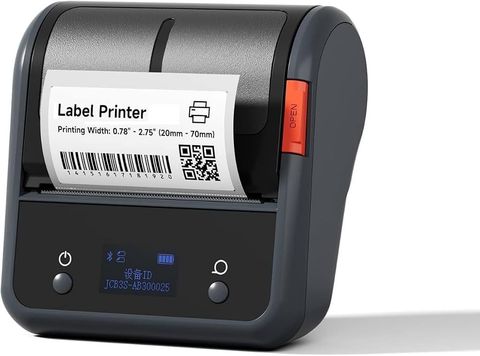
Labeling Machines
Labels provide important information such as:
- Product name
- Ingredients
- Barcodes
- Expiration dates
- Batch numbers
A pressure sensitive labeling machine automatically applies self-adhesive labels accurately and consistently across bottles, containers, cartons, and packages.
Cartoning Machines
Cartoners place products into cartons automatically.
These machines are common in:
- Pharmaceuticals
- Cosmetics
- Food packaging
- Household products
Palletizing Machines
Palletizers organize finished boxes onto pallets for storage and shipping while reducing manual lifting.
Comparison of Common Packaging Machines
| Machine Type | Primary Purpose | Best For |
|---|---|---|
| Filling Machine | Product filling | Liquids, powders, granules |
| Vertical Form-Fill-Seal | Bag creation and sealing | Food, snacks, grains |
| Wrapping Machine | Protective wrapping | Consumer goods |
| Sealing Machine | Closing packages | Cartons and bags |
| Labeling Machine | Product identification | Bottles, jars, boxes |
| Cartoning Machine | Box packaging | Retail products |
| Palletizer | Shipping preparation | Warehouses |
Key Packaging Techniques
Different products require different packaging techniques.
Vacuum Packaging
Removes air before sealing to improve shelf life.
Suitable for:
- Meat
- Cheese
- Coffee
- Medical supplies
Shrink Wrapping
Plastic film shrinks tightly around products after heating.
Benefits include:
- Tamper resistance
- Product protection
- Attractive presentation
Modified Atmosphere Packaging
The air inside the package is replaced with specific gases to extend freshness.
Commonly used for:
- Fresh produce
- Meat
- Bakery products
Carton Sealing
Automatic case sealers provide secure shipping while reducing manual tape application.
Automated Labeling
Automated labeling ensures consistent placement while improving traceability throughout the supply chain.
Latest Trends in Packaging Machines
Packaging technology continues evolving with smarter automation.
Smart Automation
Manufacturers increasingly work with a production automation company to integrate packaging systems with robotics, sensors, and centralized production management software.
These systems improve efficiency while reducing production downtime.
AI-Based Inspection
Artificial intelligence can identify:
- Missing labels
- Damaged packaging
- Incorrect seals
- Product defects
This improves quality control.
Sustainable Packaging
Many manufacturers now design machines compatible with:
- Recyclable materials
- Compostable films
- Lightweight packaging
- Reduced plastic usage
Robotics Integration
Collaborative robots assist with:
- Picking
- Packing
- Palletizing
- Product sorting
Remote Monitoring
Cloud-connected packaging equipment allows production managers to monitor machine performance from different locations.
Warehouse Integration
Packaging systems increasingly connect with advance storage automation solutions that coordinate packaging, storage, inventory management, and order fulfillment.
This improves warehouse efficiency while reducing manual product movement.
Important Features to Consider
Before purchasing packaging equipment, evaluate these features carefully.
Production Speed
Choose equipment capable of handling current production while allowing room for future growth.
Product Compatibility
Machines should accommodate:
- Product size
- Shape
- Weight
- Packaging material
Automation Level
Available options include:
- Manual
- Semi-automatic
- Fully automatic
Automation should match production requirements and available budget.
Ease of Cleaning
Industries such as food and pharmaceuticals require equipment designed for quick sanitation.
Energy Efficiency
Modern equipment often consumes less electricity while maintaining high productivity.
Safety Features
Look for:
- Emergency stop buttons
- Protective guards
- Safety sensors
- Automatic shutdown systems
Maintenance Accessibility
Machines with easily accessible components simplify inspections and reduce maintenance downtime.
Top Packaging Equipment Companies
Several manufacturers are recognized for producing packaging solutions across different industries.
| Company | Known For |
|---|---|
| Bosch Packaging Technology (now Syntegon) | Food and pharmaceutical packaging |
| Tetra Pak | Beverage processing and packaging |
| IMA Group | Pharmaceutical and cosmetic equipment |
| Coesia | Automated packaging systems |
| MULTIVAC | Vacuum packaging technology |
| Krones | Beverage filling and packaging |
| ProMach | Integrated packaging solutions |
Each company specializes in different industries, production capacities, and packaging technologies. Comparing equipment specifications, support services, and compatibility helps identify the most suitable solution.
How to Choose the Right Packaging Machine
Selecting the right machine depends on operational needs rather than simply choosing the most advanced equipment.
Consider the following checklist.
Packaging Machine Selection Checklist
| Question | Yes/No |
|---|---|
| What production volume is required? | |
| What products will be packaged? | |
| Which packaging material will be used? | |
| Is future expansion expected? | |
| Does the machine fit available floor space? | |
| Are maintenance services available? | |
| Does it meet industry regulations? | |
| Is operator training provided? | |
| Does it integrate with existing production lines? |
Completing this checklist helps narrow suitable options before making an investment.
Helpful Tips for Better Packaging Performance
Proper operation extends machine life while maintaining consistent product quality.
Follow Manufacturer Guidelines
Always operate equipment according to recommended procedures.
Schedule Preventive Maintenance
Inspect components regularly to prevent unexpected breakdowns.
Keep Equipment Clean
Cleaning reduces contamination and improves long-term performance.
Replace Worn Parts Promptly
Small worn components can affect sealing quality, labeling accuracy, or filling consistency.
Train Operators Properly
Well-trained operators identify issues early and minimize production interruptions.
Monitor Performance Data
Track:
- Production output
- Downtime
- Material waste
- Error rates
- Maintenance history
Performance data supports continuous improvement.
Common Packaging Challenges
Several issues occur during packaging operations.
| Challenge | Possible Solution |
|---|---|
| Inconsistent seals | Adjust sealing temperature and pressure |
| Misaligned labels | Calibrate labeling equipment |
| Product spills | Check filling accuracy |
| Film tearing | Use compatible packaging material |
| Machine downtime | Perform preventive maintenance |
| Excess packaging waste | Optimize machine settings |
Identifying problems early reduces production delays.
Frequently Asked Questions
What industries use packaging machines?
Packaging machines are widely used in food processing, beverages, pharmaceuticals, cosmetics, chemicals, agriculture, electronics, logistics, and e-commerce.
What is a vertical form and fill machine?
A vertical form and fill machine automatically creates bags from packaging film, fills them with products, seals them, and prepares them for distribution. It is commonly used for snacks, grains, powders, coffee, and frozen foods.
How often should packaging machines be serviced?
Maintenance schedules vary by manufacturer and production volume, but regular inspections, cleaning, lubrication, and replacement of worn components help maintain reliable performance.
Can packaging machines improve product quality?
Yes. Automated packaging improves consistency, reduces contamination risks, minimizes human error, and produces more uniform packaging.
Are automated packaging systems suitable for small businesses?
Many manufacturers offer compact manual and semi-automatic systems suitable for smaller production volumes. Businesses can upgrade as production requirements increase.
What should be considered before purchasing packaging equipment?
Important considerations include production capacity, product type, packaging materials, automation level, maintenance requirements, available space, operator training, and long-term operating costs.
Conclusion
Packaging machines have become an essential part of modern manufacturing by improving efficiency, consistency, and product protection across a wide range of industries. From filling and sealing to labeling, wrapping, and palletizing, each type of equipment serves a specific purpose within the packaging process.
As automation, smart monitoring, robotics, and sustainable packaging continue to evolve, businesses have access to more flexible and efficient packaging solutions than ever before. Evaluating production needs, understanding available technologies, comparing features, and following proper maintenance practices can help organizations select equipment that supports reliable operations over the long term.
Rather than focusing only on speed or automation, the most effective packaging solution is one that aligns with production goals, product requirements, available resources, and future growth plans while maintaining quality, safety, and operational efficiency.

Related Post...
Understanding Different Pump Types, Features, Uses and Applications
Updated: October 24, 2026
Read More

Complete Guide to Water Treatment Chemicals Used in Industrial Applications
Updated: October 24, 2026
Read More