Complete Guide to Water Treatment Chemicals Used in Industrial Applications
Introduction Water plays a vital role in almost every industrial process. From cooling equipment and generating steam to manufacturing products and processing raw materials, clean and properly treated water helps industries operate efficiently. However, untreated water often contains minerals, dissolved salts, microorganisms, suspended solids, and organic contaminants that can reduce equipment performance, increase maintenance costs, and shorten the lifespan of industrial systems. This is where water treatment chemicals become essential. These chemicals are designed to improve water quality by preventing corrosion, controlling scale formation, reducing microbial growth, removing impurities, and maintaining stable operating conditions. Industrial facilities rely on carefully selected industrial water treatment chemicals as part of their broader industrial water treatment strategy. Whether used in cooling towers, boilers, wastewater plants, or manufacturing facilities, these chemicals help improve operational efficiency while supporting environmental compliance. Although this guide focuses on industrial applications, many people also search for topics such as home water purification systems near me or a hydrogen peroxide well water treatment system when looking for residential water treatment options. While the chemicals and treatment methods differ significantly between residential and industrial settings, both share the same goal: producing cleaner, safer, and more reliable water. This guide explains the major types of industrial water treatment chemicals, their benefits, limitations, selection process, current trends, and practical maintenance tips.
Why Water Treatment Matters in Industrial Applications
Industrial water systems continuously face challenges such as:
- Scale deposits
- Corrosion
- Biological contamination
- Fouling
- High dissolved solids
- Poor heat transfer
- Equipment wear
Without proper treatment, these issues can lead to:
- Increased energy consumption
- Equipment failures
- Unplanned downtime
- Higher maintenance costs
- Reduced production efficiency
- Environmental compliance issues
Using the right water treatment solutions helps industries overcome these problems while improving long-term system reliability.
What Are Water Treatment Chemicals?
Water treatment chemicals are specially formulated substances used to modify water properties and control contaminants during industrial operations.
Depending on the application, they may:
- Prevent scale formation
- Control corrosion
- Eliminate bacteria
- Remove suspended solids
- Adjust pH levels
- Reduce dissolved oxygen
- Improve filtration performance
Instead of serving one universal purpose, different chemicals are often combined into complete treatment programs tailored to a specific system.
Main Types of Industrial Water Treatment Chemicals
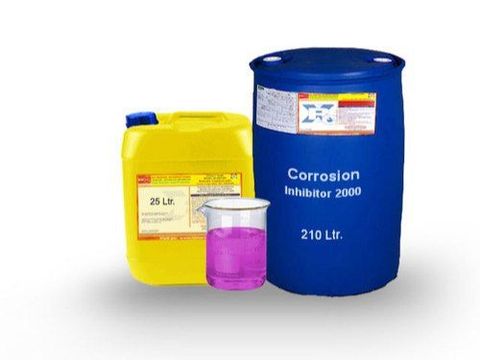
1. Corrosion Inhibitors
Corrosion inhibitors protect metal equipment from chemical reactions caused by oxygen, moisture, acids, or dissolved salts.
Common applications include:
- Boilers
- Cooling towers
- Closed-loop cooling systems
- Heat exchangers
- Industrial pipelines
Common examples include:
- Phosphates
- Molybdates
- Silicates
- Zinc compounds
- Organic corrosion inhibitors
Benefits
- Extends equipment life
- Reduces maintenance costs
- Prevents pipe failures
- Improves heat transfer efficiency
Limitations
- Requires continuous monitoring
- Incorrect dosage may reduce effectiveness
2. Scale Inhibitors
Scale forms when dissolved minerals such as calcium and magnesium deposit on equipment surfaces.
Scale inhibitors help prevent these mineral deposits.
Common scale-forming minerals include:
- Calcium carbonate
- Calcium sulfate
- Silica
- Magnesium compounds
Applications include:
- Boilers
- Cooling towers
- Reverse osmosis systems
- Heat exchangers
Benefits include:
- Better heat transfer
- Lower energy costs
- Reduced cleaning frequency
- Improved equipment lifespan
3. Biocides
Industrial water systems provide an ideal environment for bacteria, algae, fungi, and biofilm.
Biocides eliminate or control microbial growth.
They are generally classified into:
Oxidizing biocides
Examples include:
- Chlorine
- Bromine
- Chlorine dioxide
Non-oxidizing biocides
Examples include:
- Isothiazolin
- Glutaraldehyde
- DBNPA
These chemicals are especially important in:
- Cooling towers
- Paper mills
- Food processing plants
- Industrial cooling systems
4. Coagulants
Coagulants destabilize suspended particles so they can combine into larger particles.
Common coagulants include:
- Aluminum sulfate
- Ferric chloride
- Polyaluminum chloride
Applications:
- Wastewater treatment
- Drinking water production
- Industrial process water
5. Flocculants
Flocculants work together with coagulants by binding small particles into larger flocs.
These larger particles settle more easily during clarification.
Examples include:
- Polyacrylamide
- Organic polymers
- Anionic polymers
- Cationic polymers
6. pH Adjusters
Maintaining the correct pH is essential for chemical efficiency.
Common chemicals include:
Acids
- Sulfuric acid
- Hydrochloric acid
Alkaline chemicals
- Sodium hydroxide
- Lime
- Sodium carbonate
Proper pH helps:
- Prevent corrosion
- Improve coagulation
- Increase chemical performance
7. Oxygen Scavengers
Dissolved oxygen accelerates corrosion inside boiler systems.
Oxygen scavengers remove oxygen before it causes damage.
Examples include:
- Sodium sulfite
- Hydrazine alternatives
- Carbohydrazide
- DEHA
These are primarily used in:
- Steam boilers
- Feedwater systems
8. Antifoaming Agents
Foam can reduce process efficiency and interfere with treatment equipment.
Antifoam chemicals reduce excessive foam generation.
Industries using these include:
- Wastewater treatment
- Food processing
- Chemical manufacturing
- Pulp and paper
Comparison of Major Water Treatment Chemicals
| Chemical Type | Primary Purpose | Common Applications | Main Benefit |
|---|---|---|---|
| Corrosion inhibitors | Prevent rust | Boilers, pipelines | Longer equipment life |
| Scale inhibitors | Prevent mineral buildup | Cooling towers | Better heat transfer |
| Biocides | Kill microorganisms | Cooling systems | Reduced biofilm |
| Coagulants | Remove suspended solids | Wastewater | Cleaner water |
| Flocculants | Improve settling | Clarifiers | Faster separation |
| Oxygen scavengers | Remove dissolved oxygen | Boilers | Less corrosion |
| pH adjusters | Maintain water balance | Multiple systems | Improved chemical performance |
| Antifoams | Reduce foam | Wastewater plants | Stable operation |
Benefits of Industrial Water Treatment Chemicals
Proper use of industrial water treatment chemicals offers numerous advantages.
Improved equipment efficiency
Cleaner systems transfer heat more effectively and operate with lower energy consumption.
Lower maintenance costs
Preventing scale and corrosion reduces expensive repairs.
Extended equipment lifespan
Well-maintained systems experience less wear over time.
Reduced downtime
Reliable water quality minimizes unexpected shutdowns.
Better regulatory compliance
Many treatment programs support environmental discharge requirements.
Improved water reuse
Advanced treatment allows facilities to recycle process water.
Limitations and Challenges
Despite their benefits, chemical treatment requires careful management.
Common challenges include:
- Continuous monitoring
- Proper storage requirements
- Employee safety training
- Chemical compatibility concerns
- Disposal regulations
- Ongoing testing and adjustment
Poor chemical selection may create additional operational problems rather than solving existing ones.
Water Treatment Chemicals by Industrial Application
| Industry | Typical Chemicals Used |
|---|---|
| Power generation | Oxygen scavengers, corrosion inhibitors |
| Food processing | Food-grade biocides, pH adjusters |
| Pharmaceutical manufacturing | High-purity treatment chemicals |
| Oil and gas | Corrosion inhibitors, scale inhibitors |
| Chemical manufacturing | Antifoams, coagulants |
| Textile industry | Flocculants, pH adjusters |
| Mining | Coagulants, polymers |
| Cooling towers | Biocides, scale inhibitors |
Many cooling tower treatment companies develop customized chemical programs specifically for cooling water systems because operating conditions vary widely between facilities.
Latest Trends in Industrial Water Treatment
Industrial water treatment continues to evolve through new technologies and smarter chemical management.
Current trends include:
Smart chemical monitoring
Digital sensors continuously measure:
- Conductivity
- pH
- Corrosion rates
- Chemical dosage
This improves treatment accuracy.
Automated dosing systems
Modern systems automatically adjust chemical injection based on water quality.
Benefits include:
- Lower chemical waste
- Better consistency
- Reduced labor
Environmentally friendly formulations
Many manufacturers now develop:
- Phosphate-free chemicals
- Low-toxicity biocides
- Biodegradable treatment products
These help reduce environmental impact.
Water recycling
More industries are adopting reuse systems that combine filtration, membrane treatment, and carefully controlled chemical dosing to reduce freshwater consumption.
Predictive maintenance
Artificial intelligence and data analytics help predict scaling, corrosion, and equipment failures before major problems occur.
Key Features to Consider Before Selecting Water Treatment Chemicals
Every industrial system has different water chemistry.
Consider these factors before choosing chemicals.
Water quality
Analyze:
- Hardness
- pH
- Dissolved solids
- Iron
- Silica
- Chlorides
System type
Treatment differs for:
- Boilers
- Cooling towers
- Reverse osmosis
- Wastewater plants
- Closed-loop systems
Temperature
High-temperature systems often require specialized chemical formulations.
Environmental regulations
Discharge permits may limit certain chemical ingredients.
Compatibility
Ensure chemicals work with:
- Existing equipment
- Pipe materials
- Other treatment chemicals
Monitoring requirements
Some chemicals require frequent laboratory testing.
Top Water Treatment Companies and Solution Providers
Many companies provide industrial water treatment products, monitoring systems, and engineering support.
| Company | Primary Focus |
|---|---|
| Veolia Water Technologies | Industrial water treatment solutions |
| Ecolab (Nalco Water) | Industrial chemical treatment |
| Solenis | Process and water treatment chemicals |
| Kurita Water Industries | Industrial water management |
| SUEZ Water Technologies | Water treatment systems |
| Kemira | Coagulants and wastewater chemicals |
| Buckman | Industrial process chemicals |
| Accepta | Cooling water and boiler treatment |
Different suppliers specialize in different industries, so comparing product compatibility, technical support, monitoring services, and environmental compliance is often more useful than comparing products based only on price.
How to Choose the Right Water Treatment Solution
Selecting the right water treatment solutions begins with understanding your water source and system requirements.
Follow these steps:
Step 1
Conduct a complete water analysis.
Step 2
Identify operational problems such as:
- Scaling
- Corrosion
- Biological growth
- Fouling
Step 3
Determine system type.
Different equipment requires different treatment programs.
Step 4
Review environmental regulations.
Step 5
Compare treatment programs instead of individual chemicals.
Step 6
Evaluate monitoring requirements.
Step 7
Work with qualified water treatment specialists when designing large industrial systems.
Best Practices for Using Water Treatment Chemicals
Use the following checklist to improve treatment performance.
Industrial Water Treatment Checklist
- Test water regularly
- Monitor pH levels
- Inspect equipment frequently
- Clean heat exchangers
- Maintain chemical feed systems
- Follow recommended dosage
- Train maintenance personnel
- Keep detailed treatment records
- Replace worn sensors
- Review treatment performance periodically
Regular monitoring often has a greater impact on long-term performance than simply increasing chemical dosage.
Industrial vs Residential Water Treatment
Although industrial and residential systems share similar objectives, they differ significantly.
| Feature | Industrial Systems | Residential Systems |
|---|---|---|
| Water volume | Very high | Low |
| Equipment | Boilers, cooling towers | Household plumbing |
| Treatment chemicals | Specialized industrial formulations | Consumer-safe treatment products |
| Monitoring | Continuous | Occasional |
| Main goal | Equipment protection | Drinking water quality |
People searching for home water purification systems near me are typically looking for household filtration, softening, or purification options. These systems focus on improving water quality for daily use rather than protecting industrial equipment.
Similarly, a hydrogen peroxide well water treatment system is commonly used in residential or small commercial settings to help oxidize iron, sulfur, and certain bacteria in well water. While hydrogen peroxide can also have industrial applications, treatment programs for factories and processing plants generally require more comprehensive chemical management based on detailed water analysis.
Frequently Asked Questions
What are water treatment chemicals used for?
They help control corrosion, scaling, bacteria, suspended solids, and other contaminants that affect industrial water systems.
Are all industrial water treatment chemicals the same?
No. Different chemicals are designed for different purposes, including corrosion control, scale prevention, microbial control, and wastewater treatment.
How often should water treatment chemicals be monitored?
Most industrial systems require regular monitoring. The frequency depends on system size, water quality, operating conditions, and regulatory requirements.
Can industrial water treatment reduce operating costs?
In many cases, proper treatment improves heat transfer, reduces maintenance, extends equipment life, and lowers energy consumption, which can contribute to lower overall operating costs.
Why are cooling towers treated differently from boilers?
Cooling towers are more susceptible to biological growth and evaporation-related scaling, while boilers primarily require protection against high-temperature corrosion and mineral deposits.
How do companies choose the right treatment program?
They typically evaluate water chemistry, equipment design, operating conditions, environmental regulations, maintenance goals, and monitoring capabilities before selecting chemicals and treatment methods.
Conclusion
Effective industrial water treatment is essential for maintaining reliable, efficient, and long-lasting industrial operations. From preventing corrosion and controlling scale to reducing microbial growth and improving water reuse, carefully selected industrial water treatment chemicals play a central role in protecting equipment and supporting consistent production.
There is no single chemical that works for every application. The most effective water treatment solutions are based on a thorough understanding of water quality, system design, operational requirements, and ongoing monitoring. As technologies continue to advance through automation, digital monitoring, and environmentally conscious formulations, industrial facilities have more options than ever to optimize water management.
Whether managing a cooling tower, boiler, manufacturing process, or wastewater system, investing time in selecting the appropriate treatment program and maintaining it consistently can improve efficiency, reduce maintenance challenges, and support more sustainable industrial operations over the long term.

Related Post...
Complete Guide to Packaging Machines: Key Techniques, Helpful Tips, and Smart Solutions
Updated: October 24, 2026
Read More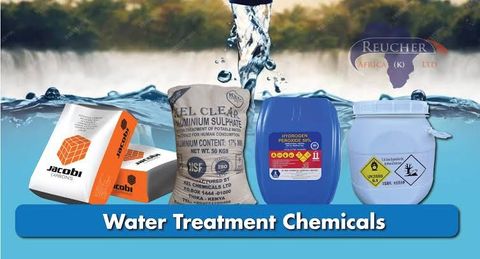
Complete Guide to Water Treatment Chemicals Used in Industrial Applications
Updated: October 24, 2026
Read More
A Guide to Label Printing: Methods, Types, Applications and Benefits
Updated: October 24, 2026
Read More