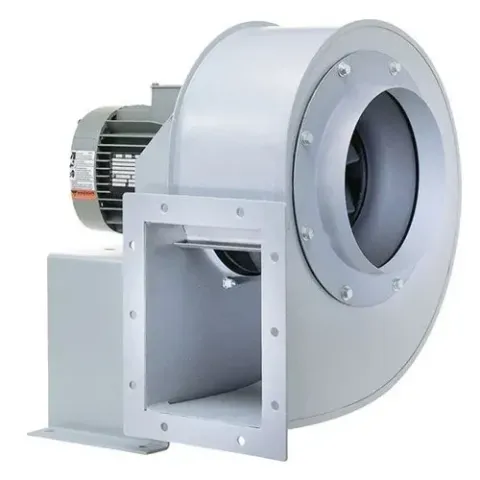
Key Features of Industrial Blowers and Their Manufacturing Applications
Introduction Industrial blowers are essential pieces of equipment used across manufacturing facilities to move air or gas efficiently for various industrial processes. Whether supporting ventilation, cooling machinery, drying products, transporting materials, or controlling dust, industrial blowers contribute to smoother operations and improved workplace conditions. Unlike household fans, industrial blowers are designed to generate higher airflow and pressure, making them suitable for demanding industrial environments. They are commonly found in factories, warehouses, processing plants, power generation facilities, chemical industries, food manufacturing, and wastewater treatment plants. Selecting the right industrial blower involves understanding airflow requirements, pressure ratings, energy efficiency, maintenance needs, and the specific manufacturing application. Different blower designs offer different performance characteristics, making it important to match equipment with operational requirements. This guide explains the key features of industrial blowers, their benefits and limitations, the major blower types, current industry trends, maintenance practices, and factors to consider when choosing a suitable solution for manufacturing applications.
What Is an Industrial Blower?
An industrial blower is a mechanical device designed to move large volumes of air or gas under controlled pressure. It creates airflow that supports industrial operations such as ventilation, combustion, drying, cooling, pneumatic conveying, and pollution control.
Industrial blowers are widely used because they provide continuous airflow while maintaining consistent operating performance.
How Industrial Blowers Work
Industrial blowers operate by drawing air into an inlet and accelerating it through rotating impellers or positive displacement mechanisms. The air is then discharged at a higher pressure to the required process or system.
The basic operating process includes:
- Air enters through the intake.
- The impeller or rotor increases air velocity.
- Pressure builds inside the blower housing.
- Air exits through the discharge outlet.
- Airflow is directed to the intended industrial application.
The design of the blower determines airflow capacity, pressure, efficiency, and suitable operating conditions.
Importance of Industrial Blowers in Manufacturing
Manufacturing facilities rely on industrial blowers to support numerous daily operations.
Common applications include:
- Factory ventilation
- Dust collection systems
- Machine cooling
- Product drying
- Combustion air supply
- Material conveying
- Fume extraction
- Process air circulation
- Packaging systems
- Wastewater aeration
These applications help improve productivity, process consistency, equipment performance, and workplace safety.
Types of Industrial Blowers
Different blower designs serve different industrial requirements.
Centrifugal Blowers
Centrifugal blowers use rotating impellers to move air outward through centrifugal force.
Typical applications include:
- Dust collection
- HVAC systems
- Industrial ventilation
- Air filtration
- Material handling
Advantages include stable airflow, durability, and high-pressure capability.
Axial Blowers
Axial blowers move air parallel to the rotating shaft.
Common uses include:
- Warehouse ventilation
- Cooling systems
- Heat removal
- Air circulation
They are suitable for high airflow with relatively low pressure.
Positive Displacement Blowers
Positive displacement blowers trap and move fixed volumes of air during each rotation.
Applications include:
- Wastewater treatment
- Pneumatic conveying
- Chemical processing
- Cement production
These blowers provide consistent airflow under varying pressure conditions.
Regenerative Blowers
Regenerative blowers repeatedly accelerate air inside the housing to generate pressure.
They are commonly used for:
- Vacuum systems
- Air knife systems
- Packaging equipment
- Printing machines
High-Speed Blowers
High-speed blowers operate at elevated rotational speeds to deliver efficient airflow for specialized manufacturing processes.
Common industries include:
- Electronics manufacturing
- Pharmaceutical production
- Precision manufacturing
Benefits of Industrial Blowers
Industrial blowers offer several operational advantages.
Efficient airflow
They deliver consistent airflow for continuous industrial processes.
Improved workplace ventilation
Blowers help remove heat, fumes, dust, and airborne contaminants.
Process reliability
Stable airflow supports consistent manufacturing quality.
Versatile applications
One blower design may support multiple industrial functions depending on system configuration.
Energy efficiency
Modern blower designs often reduce electricity consumption compared with older systems.
Equipment protection
Cooling airflow helps prevent machinery overheating.
Better environmental control
Industrial blowers assist pollution control and emission management systems.
Limitations of Industrial Blowers
While industrial blowers are valuable, they also have practical limitations.
Some considerations include:
- Initial equipment investment
- Energy consumption
- Noise generation
- Routine maintenance requirements
- Wear on rotating components
- Performance reduction if improperly sized
- Dust accumulation affecting efficiency
Understanding these factors helps organizations plan installation and maintenance effectively.
Key Features to Consider
Choosing the appropriate industrial blower requires evaluating several important features.
Airflow capacity
Measured as airflow volume, this determines how much air the blower can move.
Higher airflow is not always better; the correct capacity depends on the manufacturing process.
Pressure capability
Some industrial processes require high pressure, while others require only continuous airflow.
Pressure ratings should match operational requirements.
Motor efficiency
Energy-efficient motors can reduce operating costs during continuous production.
Impeller design
Impeller shape affects airflow, pressure generation, and efficiency.
Different impellers perform better under different operating conditions.
Noise levels
Lower noise designs improve workplace comfort and may reduce the need for additional sound control.
Material construction
Industrial blowers may be manufactured using:
- Carbon steel
- Stainless steel
- Aluminum
- Special corrosion-resistant alloys
Material selection depends on environmental conditions.
Temperature handling
Some manufacturing processes require blowers capable of handling elevated operating temperatures.
Maintenance accessibility
Easy access to bearings, filters, belts, and impellers simplifies servicing.
Variable speed control
Variable frequency drives (VFDs) allow operators to adjust airflow according to changing production needs.
Comparison of Industrial Blower Types
| Blower Type | Pressure | Airflow | Best Applications | Typical Industries |
|---|---|---|---|---|
| Centrifugal | High | Medium | Dust collection, HVAC | Manufacturing |
| Axial | Low | High | Ventilation, Cooling | Warehouses |
| Positive Displacement | High | Constant | Pneumatic conveying | Chemical, Cement |
| Regenerative | Medium | Medium | Vacuum systems | Packaging |
| High-Speed | Medium | High | Precision manufacturing | Electronics |
Manufacturing Applications
Industrial blowers support numerous production processes.
Dust Collection
Blowers transport airborne dust to filtration systems, helping maintain cleaner work environments.
Product Drying
Manufacturers use blowers to accelerate drying after washing, coating, or painting.
Material Handling
Airflow generated by industrial blowers supports pneumatic conveying systems that move powders, pellets, and lightweight materials.
Machine Cooling
Blowers remove excess heat generated by manufacturing equipment.
Combustion Systems
Industrial furnaces and boilers depend on blowers to supply combustion air.
Fume Extraction
Manufacturing facilities use blower systems to remove welding fumes, chemical vapors, and airborne contaminants.
Process Ventilation
Continuous airflow maintains suitable working conditions inside production facilities.
Latest Trends in Industrial Blower Technology
Industrial blower technology continues evolving to improve efficiency and automation.
Current trends include:
Smart monitoring
Integrated sensors monitor operating conditions and maintenance needs.
Predictive maintenance
Condition monitoring identifies potential failures before equipment downtime occurs.
Variable speed technology
VFD-controlled blowers optimize energy use based on airflow demand.
Energy-efficient motors
New motor technologies improve operating efficiency while reducing electricity consumption.
Digital control systems
Operators can monitor blower performance through centralized industrial control platforms.
Noise reduction improvements
Manufacturers continue improving acoustic insulation and aerodynamic impeller designs.
Sustainable manufacturing
Industries increasingly select energy-efficient blower systems to support environmental goals.
Leading Industrial Blower Manufacturers
Several manufacturers produce industrial blower systems for a wide range of industries.
Some recognized companies include:
- Atlas Copco
- Howden
- Gardner Denver
- Kaeser Compressors
- Aerzen
- Tuthill
- Spencer Turbine
- Greenheck
- New York Blower Company
- Cincinnati Fan
When comparing manufacturers, consider product specifications, efficiency ratings, maintenance support, and application suitability rather than focusing solely on price.
Industrial Blowers Compared with Other Air Movement Equipment
| Equipment | Best Use | Advantages | Limitations |
| Industrial Blower | Medium to high pressure airflow | Versatile | Requires maintenance |
| Industrial Fan | High airflow | Energy efficient | Lower pressure |
| Air Compressor | Compressed air | High pressure | Higher operating cost |
| Vacuum Pump | Vacuum generation | Specialized applications | Limited airflow |
Each system serves different industrial requirements depending on airflow and pressure needs.
How to Choose the Right Industrial Blower
Selecting an industrial blower requires evaluating both technical and operational factors.
Identify application requirements
Consider:
- Ventilation
- Cooling
- Drying
- Dust collection
- Pneumatic conveying
Determine airflow needs
Calculate the required airflow for the manufacturing process.
Evaluate pressure requirements
Choose a blower capable of maintaining the required operating pressure.
Consider environmental conditions
Evaluate:
- Temperature
- Humidity
- Dust exposure
- Chemical exposure
Review energy efficiency
Energy-efficient systems often reduce long-term operating expenses.
Verify maintenance requirements
Choose equipment that matches available maintenance resources.
Assess installation space
Ensure adequate room for installation, servicing, and airflow.
Industrial Blower Selection Checklist
Before purchasing or specifying a blower, review the following:
- Required airflow capacity
- Operating pressure
- Motor efficiency
- Noise limits
- Available installation space
- Material compatibility
- Temperature rating
- Maintenance access
- Energy efficiency
- Automation compatibility
- Spare parts availability
- Safety features
Best Practices for Operation
Proper operating procedures improve performance and equipment life.
Recommended practices include:
- Follow manufacturer operating guidelines.
- Avoid operating outside recommended pressure limits.
- Monitor motor temperature.
- Inspect filters regularly.
- Keep air inlets clean.
- Check vibration levels.
- Ensure proper lubrication where required.
- Verify belt tension when applicable.
- Maintain adequate ventilation around equipment.
- Record maintenance activities.
Maintenance Tips
Routine maintenance improves reliability and efficiency.
Daily
- Inspect air inlets
- Check abnormal noise
- Monitor airflow
Weekly
- Inspect belts
- Check bearings
- Examine electrical connections
Monthly
- Clean impellers
- Inspect housing
- Verify motor alignment
Periodic servicing
- Replace worn bearings
- Inspect seals
- Balance impellers
- Replace filters
- Test vibration levels
- Review motor performance
Preventive maintenance helps minimize unexpected downtime and supports consistent manufacturing operations.
Common Challenges and Practical Solutions
| Challenge | Possible Cause | Suggested Solution |
| Reduced airflow | Dirty filters | Clean or replace filters |
| Excessive vibration | Impeller imbalance | Inspect and rebalance impeller |
| High energy use | Oversized blower | Review system sizing |
| Overheating | Poor ventilation | Improve airflow around motor |
| Unusual noise | Bearing wear | Replace worn bearings |
Frequently Asked Questions
What is the difference between an industrial blower and an industrial fan?
Industrial blowers generate higher pressure than industrial fans, making them suitable for applications such as dust collection, pneumatic conveying, and combustion air supply.
Which blower type is commonly used in manufacturing?
Centrifugal blowers are widely used because they provide reliable airflow for ventilation, dust collection, and industrial processing.
Can industrial blowers improve energy efficiency?
Yes. Properly sized blowers with energy-efficient motors and variable speed drives can reduce electricity consumption.
How often should industrial blowers be maintained?
Routine inspections should be performed regularly, while detailed servicing should follow the manufacturer's maintenance schedule.
Are industrial blowers suitable for continuous operation?
Many industrial blowers are designed for continuous operation when properly maintained and operated within their rated capacity.
What factors affect blower performance?
Airflow requirements, operating pressure, impeller design, motor efficiency, environmental conditions, and maintenance quality all influence performance.
How do industrial blowers support workplace safety?
They help remove dust, fumes, excess heat, and airborne contaminants, contributing to healthier and safer manufacturing environments.
Conclusion
Industrial blowers play a significant role in modern manufacturing by supporting ventilation, cooling, dust collection, drying, material handling, and numerous other industrial processes. Their ability to deliver reliable airflow under varying operating conditions makes them valuable across a wide range of industries.
Understanding blower types, performance characteristics, maintenance requirements, and application-specific needs helps organizations make informed equipment decisions. As manufacturing continues to adopt energy-efficient technologies, smart monitoring, and predictive maintenance, industrial blowers are evolving to provide greater operational efficiency and improved process reliability.
Selecting the right industrial blower involves evaluating airflow capacity, pressure requirements, energy efficiency, installation conditions, and long-term maintenance considerations. With proper selection and regular maintenance, industrial blowers can continue supporting consistent manufacturing performance while contributing to safe and efficient industrial operations.

Related Post...
Key Features of Industrial Blowers and Their Manufacturing Applications
Updated: October 24, 2026
Read More
Complete Guide to Smart Logistic Systems and Modern Supply Methods
Updated: October 23, 2026
Read More
Complete Guide to Precision Drill Machines and Their Applications
Updated: October 23, 2026
Read More