Plastic Recycling Explained: Materials, Processes & Sustainability
Introduction Plastic has become an essential part of modern life. From packaging and electronics to construction and healthcare, its durability, flexibility, and low cost make it highly useful. However, these same qualities also create long-term environmental challenges when plastic waste is not managed properly. This is where plastic recycling plays a critical role. Plastic recycling refers to the process of collecting, sorting, processing, and reusing plastic materials to create new products. It helps reduce waste, conserve resources, and lower environmental impact. As concerns about pollution and sustainability grow, understanding how plastic recycling works—and its limitations—has become increasingly important for individuals, businesses, and policymakers.
Benefits and Limitations of Plastic Recycling
Benefits
1. Reduces Environmental Pollution
Recycling helps keep plastic waste out of landfills, oceans, and natural ecosystems, reducing harm to wildlife and habitats.
2. Conserves Natural Resources
Recycling reduces the need for raw materials such as petroleum, which is used to produce most plastics.
3. Saves Energy
Producing recycled plastic often requires less energy compared to manufacturing new plastic from raw materials.
4. Supports Circular Economy
Recycling contributes to a system where materials are reused rather than discarded, promoting sustainability.
5. Economic Opportunities
It creates jobs in collection, sorting, processing, and manufacturing industries.
Limitations
1. Quality Degradation
Many plastics lose quality after multiple recycling cycles, limiting their reuse.
2. Sorting Challenges
Different types of plastics require separation, which can be complex and costly.
3. Contamination Issues
Food residue or mixed materials can make plastics difficult or impossible to recycle.
4. Limited Recycling Infrastructure
Not all regions have the facilities or systems needed for efficient recycling.
5. Not All Plastics Are Recyclable
Some plastics, especially multi-layered or mixed-material products, are difficult to process.
Types of Plastic Materials
Understanding plastic types is essential for effective recycling. Plastics are categorized using resin identification codes:
| Code | Plastic Type | Common Uses | Recyclability |
|---|---|---|---|
| 1 | PET (Polyethylene Terephthalate) | Bottles, food containers | Widely recyclable |
| 2 | HDPE (High-Density Polyethylene) | Milk jugs, detergent bottles | Widely recyclable |
| 3 | PVC (Polyvinyl Chloride) | Pipes, flooring | Limited recycling |
| 4 | LDPE (Low-Density Polyethylene) | Plastic bags, wraps | Sometimes recyclable |
| 5 | PP (Polypropylene) | Food containers, caps | Increasingly recyclable |
| 6 | PS (Polystyrene) | Foam packaging, cups | Difficult to recycle |
| 7 | Other (Mixed Plastics) | Multi-layer packaging | Rarely recyclable |
Plastic Recycling Processes
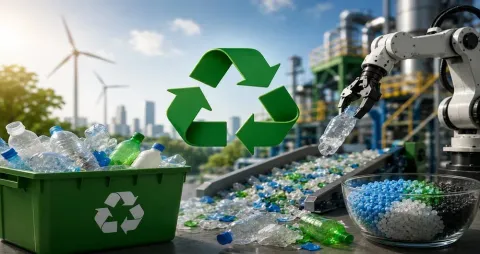
Plastic recycling involves several stages:
1. Collection
Plastic waste is collected from households, businesses, and industrial sources through recycling programs.
2. Sorting
Materials are sorted by type, color, and quality using manual and automated systems.
3. Cleaning
Plastics are washed to remove contaminants like food residue, labels, and adhesives.
4. Shredding
Clean plastics are shredded into small flakes or pellets.
5. Processing
The shredded plastic is melted and reformed into raw material for manufacturing new products.
6. Manufacturing
Recycled plastic is used to produce new items such as containers, textiles, or construction materials.
Latest Trends and Innovations
Plastic recycling is evolving with new technologies and approaches:
1. Chemical Recycling
Breaks plastics down into their basic chemical components, allowing for higher-quality reuse compared to mechanical recycling.
2. Advanced Sorting Technologies
AI and optical sensors improve sorting accuracy and efficiency.
3. Biodegradable Plastics
New materials are being designed to break down more easily, reducing long-term waste.
4. Closed-Loop Recycling Systems
Products are recycled back into the same type of product, such as bottle-to-bottle recycling.
5. Plastic Credits and Offsetting
Companies invest in recycling initiatives to offset their plastic usage.
Key Features to Consider in Plastic Recycling Systems
When evaluating recycling solutions or systems, consider the following:
- Material Compatibility: Ability to process multiple types of plastics
- Efficiency: Speed and accuracy of sorting and processing
- Scalability: Suitable for small or large-scale operations
- Environmental Impact: Energy consumption and emissions
- Cost-effectiveness: Initial investment and operating costs
- Output Quality: Usability of recycled material
Top Companies and Solutions
Several organizations are actively contributing to plastic recycling advancements:
- Veolia – Offers waste management and recycling solutions globally
- SUEZ Recycling and Recovery – Focuses on resource management and recycling technologies
- Waste Management Inc. – Provides comprehensive recycling services in North America
- TerraCycle – Specializes in recycling hard-to-recycle materials
- Loop Industries – Develops chemical recycling technologies for PET plastics
These companies differ in scale, technology, and specialization. Some focus on municipal waste, while others target industrial or niche recycling challenges.
Comparison of Recycling Methods
| Method | Process Type | Advantages | Limitations |
|---|---|---|---|
| Mechanical Recycling | Physical processing | Cost-effective, widely used | Quality degradation |
| Chemical Recycling | Chemical breakdown | High-quality output, versatile | Expensive, energy-intensive |
| Energy Recovery | Incineration | Reduces landfill waste | Produces emissions, not true recycling |
How to Choose the Right Recycling Option
Choosing the appropriate recycling approach depends on several factors:
1. Type of Plastic Waste
Identify whether the material is recyclable and what method is suitable.
2. Volume of Waste
Large-scale operations may benefit from automated systems, while smaller setups may rely on local facilities.
3. Budget and Resources
Consider costs for equipment, labor, and transportation.
4. Environmental Goals
Align recycling choices with sustainability objectives, such as reducing carbon footprint.
5. Local Infrastructure
Availability of recycling facilities and services in your area plays a key role.
Practical Checklist for Effective Plastic Recycling
- Separate plastics by type before disposal
- Clean containers to avoid contamination
- Avoid mixing recyclable and non-recyclable materials
- Follow local recycling guidelines
- Reduce use of single-use plastics
- Support products made from recycled materials
Tips for Best Use and Maintenance
1. Store Recyclables Properly
Keep plastics dry and clean to improve recyclability.
2. Label and Sort Early
Sorting at the source reduces processing costs and errors.
3. Educate Users or Staff
Awareness helps improve participation and efficiency.
4. Monitor Waste Streams
Track what is being discarded to identify improvement areas.
5. Partner with Reliable Recycling Services
Ensure collected materials are actually recycled and not diverted to landfills.
Frequently Asked Questions (FAQs)
1. Can all plastics be recycled?
No, not all plastics are recyclable. Some types, especially mixed or multi-layered plastics, are difficult to process.
2. What is the difference between recyclable and biodegradable plastics?
Recyclable plastics can be processed and reused, while biodegradable plastics break down naturally over time under certain conditions.
3. Why is plastic recycling important?
It helps reduce pollution, conserve resources, and minimize environmental impact.
4. How many times can plastic be recycled?
Most plastics can only be recycled a limited number of times before their quality degrades.
5. What happens if plastics are not recycled?
They often end up in landfills or the environment, where they can persist for hundreds of years.
6. Is recycling enough to solve plastic pollution?
Recycling is important, but reducing plastic use and improving waste management systems are also necessary.
Conclusion
Plastic recycling is a key component of modern waste management and sustainability efforts. It offers clear environmental and economic benefits, but also comes with challenges such as material limitations, contamination, and infrastructure gaps. By understanding the types of plastics, recycling processes, and available solutions, individuals and organizations can make more informed decisions.
While recycling alone cannot eliminate plastic pollution, it plays a vital role in reducing its impact. Combined with responsible consumption, improved product design, and supportive policies, plastic recycling can contribute to a more sustainable and resource-efficient future.

Related Post...

Understanding Kubota KX121-3 Final Drive Motors: Design, Working, Features and Uses
Updated: November 17, 2026
Read More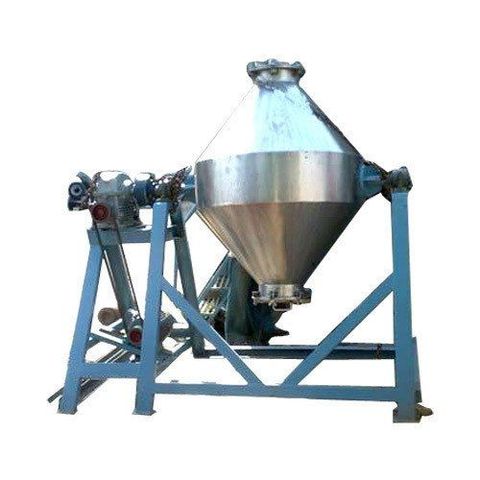
Read about powder mixing machines and modern industrial blending methods.
Updated: November 24, 2026
Read More
A Complete Guide to Noise Monitoring: Types, Methods, Equipment, and Applications
Updated: November 23, 2026
Read More