Understand Glycol Chiller Systems, Their Working Principles, and Industrial Cooling Benefits
Introduction Temperature control is one of the most important aspects of modern industrial operations. Whether a business produces food, pharmaceuticals, chemicals, beverages, plastics, or electronic components, maintaining the right operating temperature helps protect equipment, improve product quality, and reduce unexpected downtime. Among the many cooling technologies available today, glycol chiller systems have become a popular solution for applications that require stable cooling even in demanding conditions. Unlike standard water-based cooling systems, glycol chillers use a mixture of water and glycol to improve freeze protection and maintain efficient heat transfer across a wide temperature range. From manufacturing plants and breweries to laboratories and commercial processing facilities, an industrial glycol chiller offers dependable cooling performance while supporting energy efficiency and operational reliability. This guide explains how glycol chiller systems work, where they are used, their advantages and limitations, different system types, maintenance practices, and the latest industry trends. It also compares common options and provides practical tips to help users choose the right cooling solution for their needs.

Related Post...
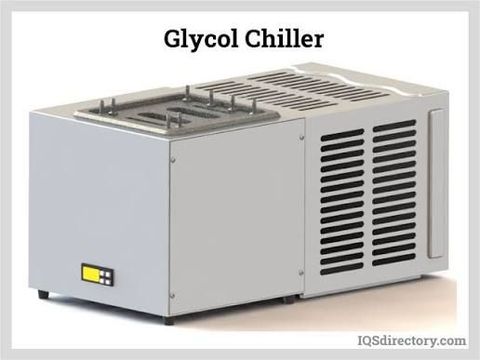
Understand Glycol Chiller Systems, Their Working Principles, and Industrial Cooling Benefits
Updated: October 24, 2026
Read More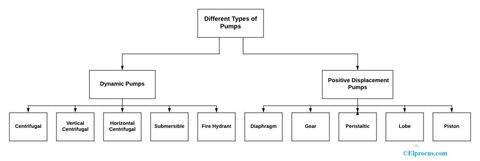
Understanding Different Pump Types, Features, Uses and Applications
Updated: October 24, 2026
Read More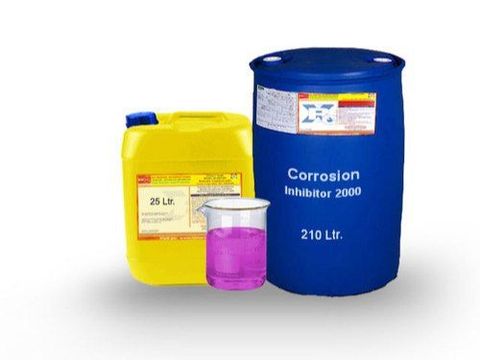
Guide to Corrosion Inhibitor Chemicals Used in Industrial Water Systems
Updated: October 24, 2026
Read More