How to Choose the Right Lifting Equipment for Your Workplace
Introduction Lifting equipment plays an essential role in many industries, including manufacturing, construction, warehousing, logistics, healthcare, agriculture, and automotive services. Whether moving heavy materials across a warehouse or lifting machinery during maintenance, the right equipment helps improve efficiency while reducing the physical strain on workers. However, selecting lifting equipment is not simply about choosing the strongest or largest machine. Every workplace has unique requirements based on the type of load, available space, operating environment, safety regulations, and frequency of use. Choosing equipment without considering these factors may lead to lower productivity, unnecessary costs, or increased workplace risks. This guide explains how to choose the right lifting equipment for your workplace. It covers different types of lifting equipment, important features, benefits, limitations, maintenance practices, current industry trends, and practical tips to help businesses make informed decisions.
What Is Lifting Equipment?
Lifting equipment refers to machines, devices, and accessories designed to raise, lower, transport, or position heavy loads safely. These tools reduce manual handling and help workers complete lifting tasks more efficiently.
Lifting equipment ranges from simple manual devices to advanced automated systems used in industrial facilities. The appropriate choice depends on the weight, size, frequency, and destination of the load.
Why Choosing the Right Lifting Equipment Matters
Selecting suitable lifting equipment offers several workplace advantages.
Improved Safety
Proper equipment minimizes manual lifting and reduces the risk of musculoskeletal injuries, falling loads, and workplace accidents.
Better Productivity
Workers can move materials faster and more efficiently, reducing downtime and increasing workflow.
Reduced Equipment Damage
Correct lifting methods help protect products, machinery, and infrastructure from accidental damage.
Lower Long-Term Costs
Although quality lifting equipment may require a higher initial investment, selecting the right solution often lowers maintenance expenses and improves equipment lifespan.
Compliance with Workplace Regulations
Many industries require lifting operations to meet safety standards. Choosing appropriate equipment helps support compliance with workplace safety requirements.Common Types of Lifting Equipment
Different lifting tasks require different equipment. Understanding available options makes selection easier.
| Equipment Type | Best For | Typical Capacity |
|---|---|---|
| Forklifts | Warehouse material movement | Medium to heavy loads |
| Pallet Trucks | Moving palletized goods | Light to medium loads |
| Hoists | Vertical lifting | Various capacities |
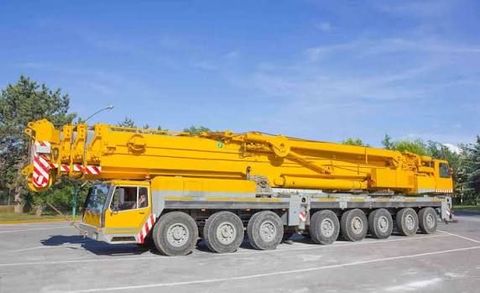
| Cranes | Heavy industrial lifting | Heavy loads |
| Scissor Lifts | Elevated work platforms | Personnel and materials |
| Lift Tables | Ergonomic workstation lifting | Light to medium loads |
| Chain Blocks | Manual lifting | Small to medium loads |
| Gantry Cranes | Flexible lifting operations | Medium to heavy loads |
| Vacuum Lifters | Glass, panels, sheet materials | Specialized lifting |
| Electric Stackers | Warehouse storage | Medium loads |
Key Factors to Consider Before Choosing Lifting Equipment
Load Weight
Always determine the maximum weight the equipment will handle.
Choose equipment with a safe working load (SWL) higher than the heaviest expected load. Never operate equipment beyond its rated capacity.
Load Size and Shape
Bulky, uneven, or irregular loads may require specialized lifting attachments or equipment.
Questions to ask include:
- Is the load balanced?
- Does it have lifting points?
- Can it be secured safely?
Lifting Height
Consider how high materials need to be lifted.
For example:
- Ground-level movement
- Storage racks
- Elevated construction work
- Multi-story facilities
Different equipment offers different lifting heights.
Frequency of Use
Daily lifting tasks often justify powered equipment, while occasional lifting may only require manual devices.
Frequent operations also require equipment designed for continuous use.
Working Environment
The operating environment affects equipment selection.
Indoor workplaces may prioritize compact electric equipment.
Outdoor construction sites often require rough-terrain lifting equipment capable of handling uneven surfaces.
Other environmental considerations include:
- Temperature
- Humidity
- Dust
- Chemical exposure
- Limited space
Available Floor Space
Some lifting equipment requires large turning areas.
Compact warehouses often benefit from:
- Electric stackers
- Narrow aisle forklifts
- Compact pallet trucks
Large industrial sites may accommodate overhead cranes or gantry systems.
Power Source
Available options include:
- Manual
- Electric
- Hydraulic
- Battery-powered
- Diesel
- LPG
Electric equipment is commonly preferred indoors because it produces lower emissions and less noise.
Operator Skill Level
Some lifting equipment requires certified training before operation.
Choosing equipment that matches employee skills improves both safety and productivity.
Benefits of Choosing Appropriate Lifting Equipment
Selecting suitable equipment provides multiple advantages.
Increased Operational Efficiency
Workflows become faster and more organized.
Improved Worker Comfort
Less manual lifting reduces fatigue and repetitive strain injuries.
Better Inventory Handling
Warehouse operations become smoother with consistent material movement.
Greater Accuracy
Modern lifting systems allow precise positioning of heavy loads.
Reduced Downtime
Reliable equipment helps prevent unnecessary interruptions.
Limitations to Consider
Even high-quality lifting equipment has limitations.
| Limitation | Explanation |
|---|---|
| Initial cost | Some industrial equipment requires significant investment |
| Maintenance requirements | Regular servicing is essential |
| Operator training | Many machines require certified operators |
| Space requirements | Larger equipment needs sufficient operating area |
| Weight limitations | Every machine has maximum capacity |
Understanding these limitations helps businesses choose practical solutions.
Essential Features to Look For
When comparing lifting equipment, consider the following features.
Load Capacity Indicator
Helps operators avoid overloading.
Safety Locks
Prevent accidental load release.
Emergency Stop Controls
Allow immediate shutdown during emergencies.
Ergonomic Controls
Reduce operator fatigue during long shifts.
Durable Construction
High-quality steel frames improve lifespan.
Battery Life
Important for electric equipment operating multiple shifts.
Stability Systems
Help reduce tipping risks.
Easy Maintenance Access
Simplifies inspections and servicing.
Latest Trends in Lifting Equipment
Technology continues improving lifting equipment performance.
Smart Sensors
Sensors monitor load weight, stability, and equipment performance in real time.
IoT Connectivity
Connected equipment provides maintenance alerts and usage reports.
Electric Equipment
Battery-powered forklifts and stackers are becoming increasingly popular due to lower emissions and quieter operation.
Automation
Automated guided vehicles (AGVs) and robotic lifting systems are improving warehouse efficiency.
Predictive Maintenance
Monitoring software helps identify maintenance needs before equipment failures occur.
Improved Ergonomics
Manufacturers continue designing equipment that reduces operator strain while improving productivity.
Top Lifting Equipment Manufacturers
Several manufacturers produce lifting equipment for industrial applications.
| Company | Known For | Common Products |
|---|---|---|
| Toyota Material Handling | Warehouse equipment | Forklifts, pallet trucks |
| Konecranes | Industrial lifting | Overhead cranes, hoists |
| Demag | Heavy lifting solutions | Cranes, hoists |
| Yale | Material handling | Forklifts, stackers |
| Hyster | Industrial lifting | Forklifts |
| JLG | Access equipment | Scissor lifts, boom lifts |
| Genie | Elevated work platforms | Scissor lifts |
| Columbus McKinnon | Lifting systems | Hoists, rigging equipment |
Different manufacturers specialize in different industries, so comparing specifications is often more useful than selecting a brand based solely on popularity.
Comparison: Manual vs Powered Lifting Equipment
| Feature | Manual Equipment | Powered Equipment |
|---|---|---|
| Cost | Lower | Higher |
| Productivity | Moderate | High |
| Maintenance | Simple | More complex |
| Best For | Occasional lifting | Frequent operations |
| Physical effort | Higher | Lower |
| Operating speed | Slower | Faster |
| Capacity | Lower | Higher |
How to Choose the Right Lifting Equipment
Choosing suitable equipment becomes easier by following a structured process.
Step 1: Assess the Load
Record:
- Maximum weight
- Dimensions
- Shape
- Center of gravity
Step 2: Analyze the Workplace
Consider:
- Ceiling height
- Floor conditions
- Aisle width
- Indoor or outdoor use
Step 3: Determine Frequency
Daily operations may require powered equipment, while occasional lifting may justify manual tools.
Step 4: Review Safety Requirements
Ensure equipment complies with workplace safety regulations and includes essential safety features.
Step 5: Compare Operating Costs
Look beyond purchase price.
Include:
- Maintenance
- Energy consumption
- Repairs
- Replacement parts
- Training
Step 6: Plan for Future Growth
Choose equipment that can support increasing workloads rather than meeting only current requirements.
Maintenance Checklist
Regular maintenance improves equipment reliability and safety.
Daily Checks
- Inspect chains and cables
- Check hydraulic systems
- Verify brakes
- Test controls
- Examine tires or wheels
- Inspect forks or lifting arms
- Check warning lights
Weekly Checks
- Lubricate moving parts
- Tighten loose bolts
- Inspect battery condition
- Clean equipment thoroughly
Monthly Checks
- Professional inspection
- Load testing where required
- Review maintenance records
- Replace worn components
Best Practices for Safe Operation
Following good operating practices extends equipment life and supports workplace safety.
- Never exceed rated load capacity.
- Inspect equipment before every shift.
- Keep loads balanced and secure.
- Train operators properly.
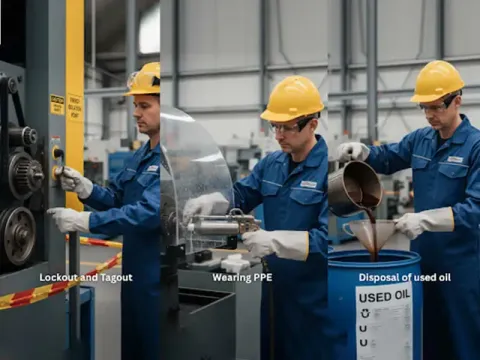
- Wear appropriate personal protective equipment.
- Maintain clear travel paths.
- Avoid sudden movements while carrying loads.
- Follow manufacturer operating instructions.
- Schedule preventive maintenance.
- Remove damaged equipment from service until repaired.
Workplace Equipment Selection Checklist
Use this checklist before purchasing lifting equipment.
| Question | Yes | No |
|---|---|---|
| Do you know the maximum load weight? | □ | □ |
| Have you measured available workspace? | □ | □ |
| Does the equipment meet required lifting height? | □ | □ |
| Is operator training available? | □ | □ |
| Does it include modern safety features? | □ | □ |
| Are maintenance requirements manageable? | □ | □ |
| Does it fit future operational needs? | □ | □ |
| Does it comply with workplace regulations? | □ | □ |
Completing this checklist helps reduce the risk of choosing unsuitable equipment.
Frequently Asked Questions
What is the most important factor when selecting lifting equipment?
Load capacity is one of the most important considerations. The equipment should safely handle the heaviest load expected during normal operations while also matching the working environment and lifting requirements.
Is electric lifting equipment better than manual equipment?
Not necessarily. Electric equipment is generally better for frequent or high-volume lifting, while manual equipment can be practical for lighter or occasional tasks. The right choice depends on operational needs rather than one option being universally better.
How often should lifting equipment be inspected?
Operators should perform visual checks before each use. More detailed inspections and servicing should follow the manufacturer's maintenance schedule and any applicable workplace safety regulations.
Can one type of lifting equipment handle every job?
No. Different lifting tasks require different equipment. Factors such as load weight, height, space, and operating conditions determine the most suitable solution.
How can lifting equipment improve workplace productivity?
By reducing manual handling, minimizing delays, improving load movement, and supporting consistent workflows, suitable lifting equipment can help teams complete tasks more efficiently while lowering physical strain.
What safety features should I look for?
Common features include overload protection, emergency stop controls, stability systems, secure locking mechanisms, ergonomic controls, and clear load capacity indicators.
Conclusion
Choosing the right lifting equipment involves more than comparing prices or lifting capacities. A well-informed decision considers the weight and type of materials being handled, workplace layout, frequency of use, operator training, maintenance needs, and long-term operational goals.
Understanding the strengths and limitations of different equipment types helps businesses create safer and more efficient workplaces. Regular inspections, proper operator training, and preventive maintenance further support reliable performance throughout the equipment's lifespan.
As lifting technology continues to evolve with electric power, automation, smart monitoring, and predictive maintenance, organizations have more options than ever to improve material handling while supporting workplace safety and productivity. Taking the time to evaluate operational needs carefully can lead to better equipment choices and more effective day-to-day operations.

Related Post...

A Guide to Construction-Driven Growth in the Global Fastener Market
Updated: October 17, 2026
Read More
A Comprehensive Guide to Laser Cutting Machines, Their Functions, and Applications
Updated: October 17, 2026
Read More